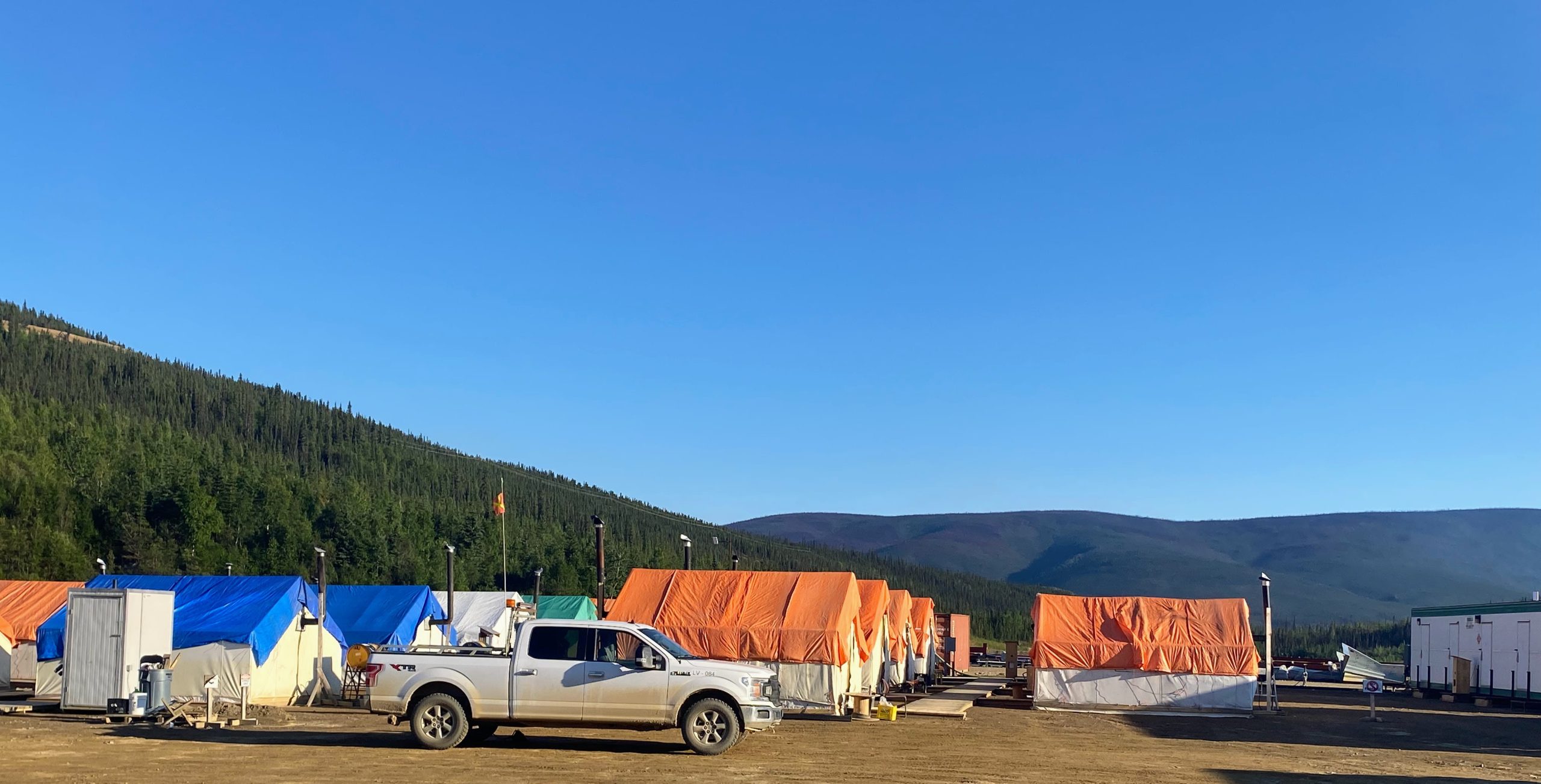
Northern Remote Work Camp at Sunrise (August 2024)
Toxic Workplace Recovery: When Your Nervous System Won’t Let You Sleep
Have you ever woken up at 2:00 a.m. — sweating, heart racing, maybe even yelling without realizing — and thought: why?!
Did something change at work recently? New job. New boss. New team. A restructure. A layoff scare. Even just a heavier workload with less recovery time.
A lot of people don’t clock these as “stressful” because nothing dramatic has happened. There’s no single moment to point to. So the brain does what it does best: it explains it away.
“Everyone’s busy.”
“It’s just a learning curve.”
“This is normal.”
“I should be grateful I even have a job.”
“It’s nothing.”
“It’s just work.”
“I’ve handled worse.”
But here’s the annoying truth: the nervous system doesn’t care what gets justified. It cares what’s being lived.
Sometimes stress doesn’t show up as “I feel stressed.”
Sometimes it shows up as your body saying, loud and clear: we are not okay.
Your body is the smoke alarm
A lot of people say, “I don’t feel stressed.” And honestly? That can be true.
Because stress doesn’t always show up as a thought. Sometimes it shows up as your body doing the talking:
- sleep falls apart
- chest tightens the second the inbox pings
- waking up with a sore jaw from clenching all night
- irritability / zero patience
- numbness on weekends
- panic-y sensations that make zero sense “on paper”
So here’s the question worth sitting with:
what if your body is telling the truth before your brain is ready to?
Psychological safety, in plain language
Workplace psychological safety isn’t a soft concept. It’s a nervous system one.
It’s the felt sense that you can:
- Ask questions
- Admit mistakes
- Speak up
- Set boundaries
- Raise concerns
…without being punished, shamed, mocked, or targeted.
Research often defines psychological safety as a shared belief that it’s safe to take interpersonal risks on a team.
And when that safety is missing — especially in high-pressure industry environments — the body notices. Even if the person doesn’t.
WorkSafeBC is blunt about this: bullying and harassment are an OHS issue, and when they aren’t addressed they can contribute to anxiety, depression, and sleep disruption.
They also make it clear psychological health and safety matters just as much as physical safety — the goal is prevention, not waiting until someone collapses.
(And for a broader Canadian overview of psychosocial hazards at work: CCOHS has a solid breakdown.)
The “push through” culture (and what it costs)
Most people in industry have a strong “push through” mentality.
It works when there are bills.
It works when there’s a contract.
It works when leaving isn’t an option — or doesn’t feel safe.
The problem is: pushing through isn’t neutral. Physiologically, it often looks like:
- fight: reactive, irritable, tense
- flight: overworking, can’t relax, constantly “on”
- freeze: numb, foggy, shutdown
You can run that system for a while.
And then something starts to crack — sleep, energy, mood, focus, patience, relationships. Sometimes all of it.
This is where burnout starts to creep in. We throw the word around so casually, but the WHO actually describes burnout as a syndrome that results from chronic workplace stress that hasn’t been successfully managed.
Why your body can still react after you leave
This part is both validating and frustrating.
If Outlook or Teams notifications used to mean “you’re in trouble,” “you’re about to get blamed,” or “here comes another fire,” the nervous system pairs that cue with danger.
So later — even months later — a notification can still spike the body: shoulders jump, chest tightens, heart rate rises.
That’s not weakness. That’s conditioning.
The nervous system doesn’t forget what it had to survive.
So what do you do when you can’t “just leave”?
The internet loves to say: “Just quit the toxic job.”
And sure — if leaving is an option, getting out of the exposure is often one of the best things you can do to get back to yourself.
But reality still exists. Bills exist. Small-town job markets exist. Loans, mortgages… and yeah, that brand new “unlimited” diesel truck payment you locked in when life felt a little more stable.
So instead of a fantasy plan, here’s a bridge plan.
1) Stop arguing with your body. Track it.
Treat symptoms like data, not drama:
- What happened at work today?
- What did the body do after?
- What did you do to cope?
2) Reduce exposure where you can (tiny is still real)
- notifications off after a set time
- no email in bed
- one outside break a day (even 3 minutes)
- one debrief person who is grounded (not a gossip circle)
3) Quietly build options
An exit ramp regulates the nervous system because it creates agency:
- update resume / LinkedIn
- rebuild references outside a direct supervisor
- explore transfers / alternate roles
- build a small savings buffer if possible
- talk to a counsellor about strategy and boundaries
A nervous system settles when it realizes: I’m not trapped.
How long does toxic workplace recovery take?
If there’s that lingering thought — why am I still not over this?
That’s not a character flaw. That’s a nervous system that’s been on shift for way too long.
Toxic workplace recovery depends on how long the exposure lasted, how intense it was, whether bullying/harassment was part of the mix, and whether the danger is truly over.
This is a healing journey, and it usually takes longer than people expect — not because people are weak, but because our bodies are thorough.
Where nature-based therapy fits in Fernie.
Here in Fernie, a lot of people carry work stress in their bodies long before they name it out loud. That’s why nature-based work can be such a practical fit. And we are surrounded by it here.
Walk and talk therapy can support nervous system regulation through movement and outdoor space — without needing to “talk your way into calm” first. If that sounds like the kind of support you’re after, you can book a free 15-minute consultation to talk it through.
And if leaving the house (or the town, or the shift schedule) isn’t realistic, virtual nature-based counselling BC can still support the process. This can include clients in the Elk Valley as well as those seeking mental-health counselling in, Jaffray, Cranbrook and Kimberley support who are simply maxed out.
Psychological safety isn’t a workplace buzzword.
It’s a nervous system requirement.
And if the body is screaming at 2:00 a.m., it might be time to listen.
This blog post was written by Sam Usher and originally published through True Nature Wilderness Therapy.